





Nosferatu x Orfeas Demis
NOSFERATU is een stille Duits expressionistische film, die een officieuze hervertelling is van Bram Stokers populaire roman DRACULA uit 1897. Het verhaal volgt Thomas Hutter (Gustav von Wangenheim), die naar Transsylvanië gestuurd wordt door zijn werkgever, de excentrieke vastgoedmakelaar Herr Knock (Alexander Granach). Daar heeft Thomas een afspraak met een potentiële nieuwe cliënt, Graaf Orlok (Max Schreck). De Graaf wil een huis kopen in Thomas’ thuisstad, Wisborg. Thomas laat zijn vrouw Ellen (Greta Schröder) achter en reist naar het kasteel van de Graaf in Transsylvanië om de verkoop te bespreken. Onderweg wordt Thomas geconfronteerd met vreemde zaken die rondom hem lijken te gebeuren en wanneer hij de crypte van de Graaf ontdekt, raakt hij ervan overtuigd dat Orlok een vampier is. Wanneer Graaf Orlok uiteindelijk wordt onthuld, volgt er een duidelijke verschuiving van een speelse naar een donkere en sinistere atmosfeer.
De film volgt het narratief van Stokers DRACULA, met Orlok die het titelpersonage vervangt. Door deze duidelijke narratieve ontlening, kregen regisseur F.W. Murnau en de studio Prana Film te maken met juridische problemen. NOSFERATU werd een van de eerste grote rechtszaken rond inbreuk op het auteursrecht in de filmgeschiedenis. De juridische strijd liep enkele jaren totdat een rechter in 1925 besliste dat alle fysieke en negatieve kopieën van NOSFERATU moesten vernietigd worden. Gelukkig kon NOSFERATU, net zoals in de film zelf, ontsnappen, omdat verschillende kopieën reeds de internationale grenzen hadden overgestoken. Ondanks het feit dat er geen originele print van de film bestaat, hebben filmconservatoren fragmenten van vroege kopieën samengevoegd tot een min of meer authentieke print. En sindsdien heeft NOSFERATU een onwrikbaar filmhistorisch nalatenschap uitgebouwd.
Filmcriticus Roger Ebert heeft niets dan lovende woorden over de film:
“Here is the story of Dracula before it was buried alive in clichés, jokes, TV skits, cartoons and more than 30 other films. The film is in awe of its material. It seems to really believe in vampires. (…) NOSFERATU is more effective for being silent. In NOSFERATU (…) the characters are confronted with alarming images and denied the freedom to talk them away. There is no repartee in nightmares. Those things that live only at night do not need to talk, for their victims are asleep, waiting. NOSFERATU remains effective: It doesn’t scare us, but it haunts us.”
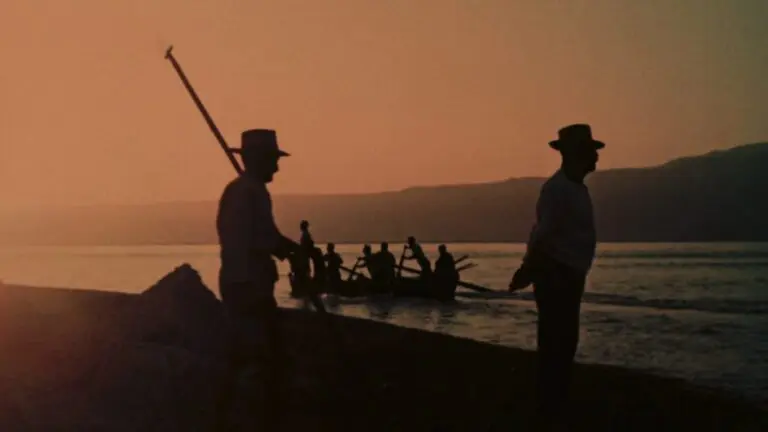
Over zijn filmkeuze zegt pianist Orfeas Demis:“It is one of my all-time favorites. I am a huge fan of gothic fiction and Murnau’s version of this classic story is stunning, with such a unique atmosphere of horror. I will never forget scenes like the arrival of Hutter in the castle for the first time, or the beach with the crosses, almost dream-like scenes that had such a profound effect on me the first time I watched it. Musically, I will try and combine different influences that in the end are always present in my music. Places like the tavern scene in Transylvania certainly ask for a folky feeling while the scenes of “home” and Ellen will have a nostalgic tone. The Dies Irae will definitely appear somehow since after all, death is always present in the film. The expressionistic nature of the film allows for darkness and I think that the leitmotif of Orlok will definitely have a flavor of Bernard Herrmann because Hitchcock will always follow me!”
Op 14 mei vertonen we de nieuwe stille film SETAN JAWA met live muzikale begeleiding. Deze vertoning sluit rechtstreeks aan bij dit filmconcert van NOSFERATU: waar F.W. Murnau’s meesterwerk een mijlpaal is binnen het Duits expressionisme, toont SETAN JAWA hoe die beeldtaal vandaag verder leeft. Regisseur Garin Nugroho vertaalt die visuele principes naar een Indonesische context, met schaduwspel, maskers, rituelen en mystiek. Net als bij NOSFERATU staat de wisselwerking tussen beeld en live muziek centraal, met een hedendaagse gamelanscore van Peni Candra Rini. SETAN JAWA is zo een hedendaags antwoord op de cinematografische erfenis die deze avond centraal staat.
Speeltijden
Vertoningen afgelopen.
Pianist Orfeas Demis zal live een eigen soundtrack brengen bij de film als afstudeerproject.
Orfeas Demis was born in 1998, in Athens, Greece. In 2015, he obtained a Piano Diploma from the National Conservatory of Athens. Between 2014 and 2016 he followed the Music Course of the IB Diploma Programme under the instruction of pianist Panagiotis Markos. During these years he also joined masterclasses of pianist Vasileios Gioure, regarding improvisation, composition and jazz piano. He studied composition at the University of Music and Performing Arts Vienna (mdw) with Herbert Lauermann, Dietmar Schermann and Dominik Rodak. Since 2021 he studies classical Piano at the Royal Conservatory of Antwerp, in the class of Nikolaas Kende, completing the Bachelor in June 2024 and continuing with the Master's degree. He has performed in several significant venues of Greece, Austria and Belgium including de Bijloke in Ghent and Queen Elisabeth Hall as a harmonium player with Antwerp Symphony Orchestra.


