

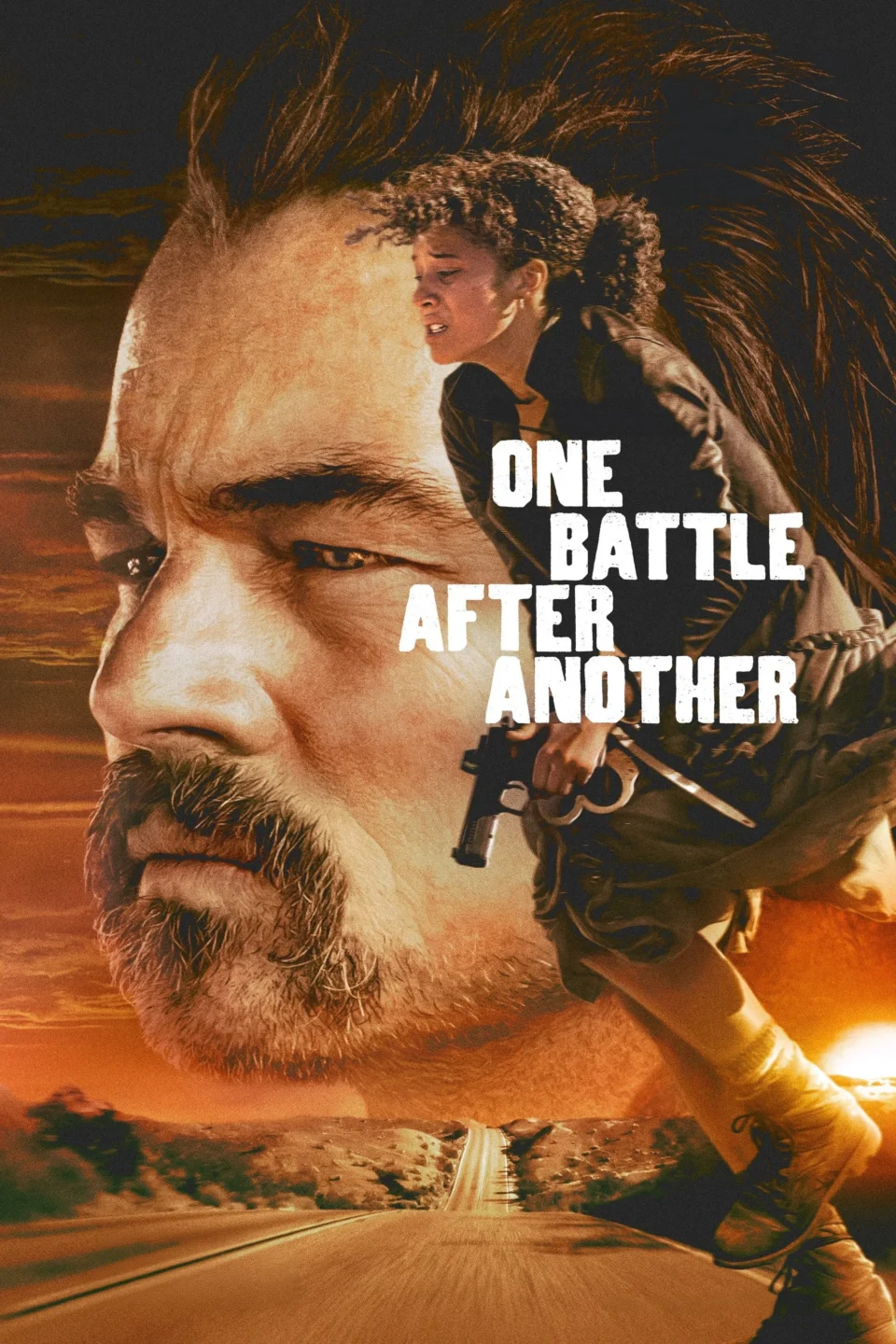
One Battle After Another


Nominated for 13 Oscars, among which Best Picture, Director, Adapted Screenplay, Actor (Leonardo DiCaprio), Supporting Actress (Teyana Taylor) and Supporting Actor (Benicio del Toro en Sean Penn).
Film history is the story of films constantly building on one another. If one contemporary director knows this, it’s Paul Thomas Anderson, PTA for professional purposes. In PTA & HIS MASTERS we take a look at the unofficial filmic predecessors of Paul Thomas Anderson. We place the director – arguably one of the most important directors of his generation – next to the influences he unabashedly cites in his work. In PTA & HIS MASTERS we link ONE BATTLE AFTER ANOTHER to Sidney Lumet’s RUNNING ON EMPTY.
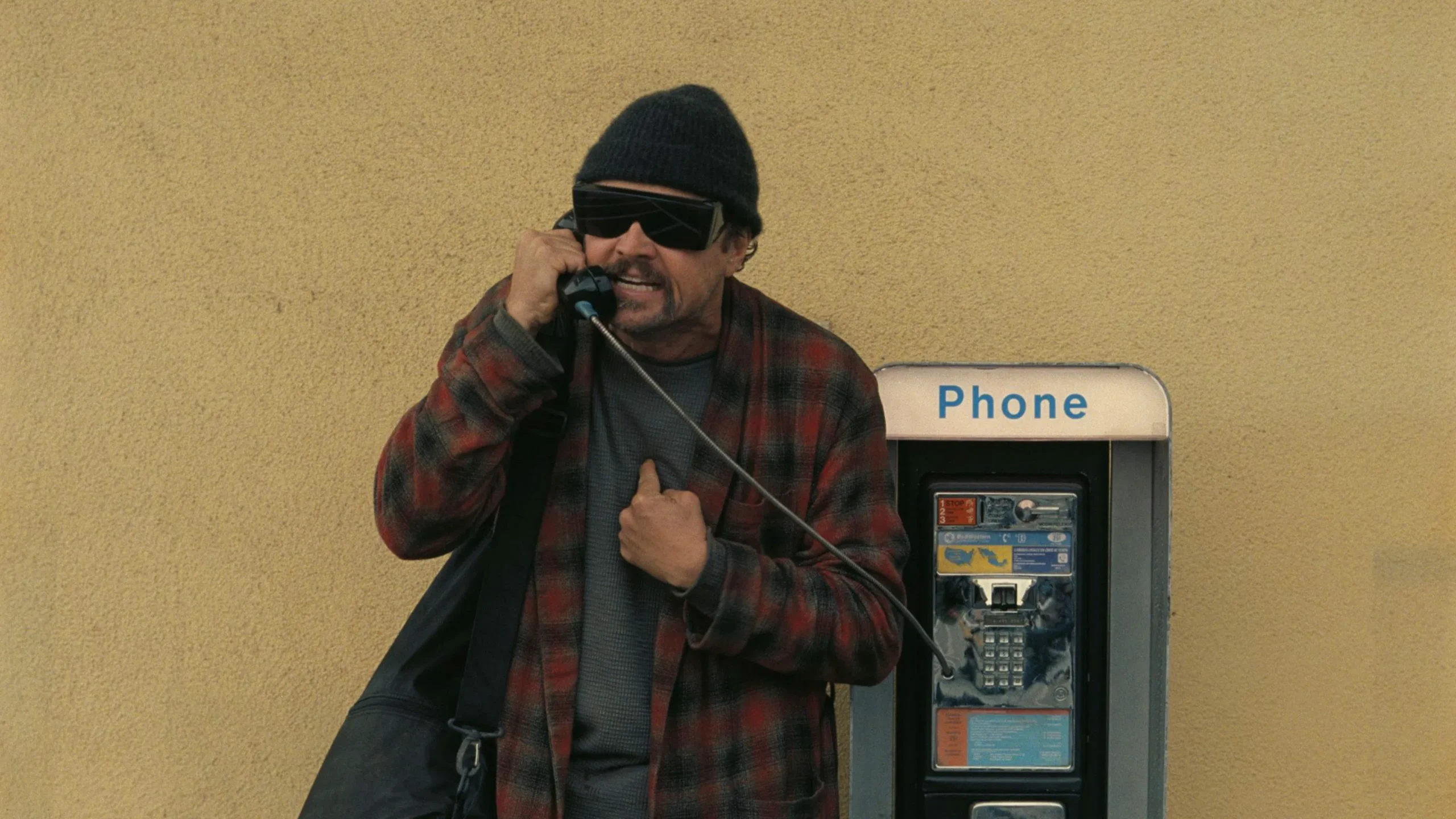
With his newest film, it’s the second time that PTA puts his spin on a Thomas Pynchon novel – after INHERENT VICE. This time he picked out the postmodern Vineland. Pynchon’s work is often described as unadaptable, but for PTA no challenge is too daunting. ONE BATTLE AFTER ANOTHER reforms Vineland into the hellish quest of ex-revolutionary and current stoner ‘Ghetto’ Pat (Leonardo DiCaprio), who is racing against time to save his daughter from the clutches of his archenemy, the murderous fascist Colonel Steven J. Lockjaw (Sean Penn).
Years earlier, Ghetto Pat and Perfidia Beverly Hills (Teyana Taylor) are two prominent figures in the left extremist revolutionary group the French 75. With political violence, they oppose the leading fascist regime. Guerrilla actions such as freeing imprisoned immigrants, bombings and bank robberies have to convey their stance: “free borders, free bodies, free choice and free from fucking fear.”
Pat and Perfidia, now parents to a little daughter, have different visions on parenthood. When the evil Lockjaw zones in on the French 75 after a robbery gone wrong, the revolutionaries have to go on the run. Perfidia chooses the side of radical freedom, while Pat starts a life in hiding as Bob Ferguson with his daughter Willa. But their fragile existence is in danger when Lockjaw tracks them down.
PTA keeps the premise of his source material: what happens when revolutionaries go on the run, but ghosts from their past continue to haunt them? One of PTA’s other influences springs from that same point-of-view: the movie RUNNING ON EMPTY. This little known late Sidney Lumet film follows the son of a family on the run, who wants to lead his own life. His parents were anti-war protesters who blew up a napalm lab in 1971. Both films show the domino-effects of the sins of the parents on their children and the consequences of revolution. However just the cause, attacking the system comes with a price.
In RUNNING ON EMPTY the radical act of the parents against the Vietnam War casts a shadow over their family life and their future. Just like in ONE BATTLE AFTER ANOTHER the film chronicles the consequences of the revolutionary ideas of the parents and contrasts them against the coming-of-age story of the son. In both films, the children pay for their parents’ choices with their freedom. The difference is that the son can return to a normal world in RUNNING ON EMPTY, while that world is no longer in existence in ONE BATTLE AFTER ANOTHER. In the world created by leaders such as Donald Trump, Willa’s existence – especially as a biracial young woman – is threatened either way, even without her parents’ past.
Showtimes
All screenings have ended