



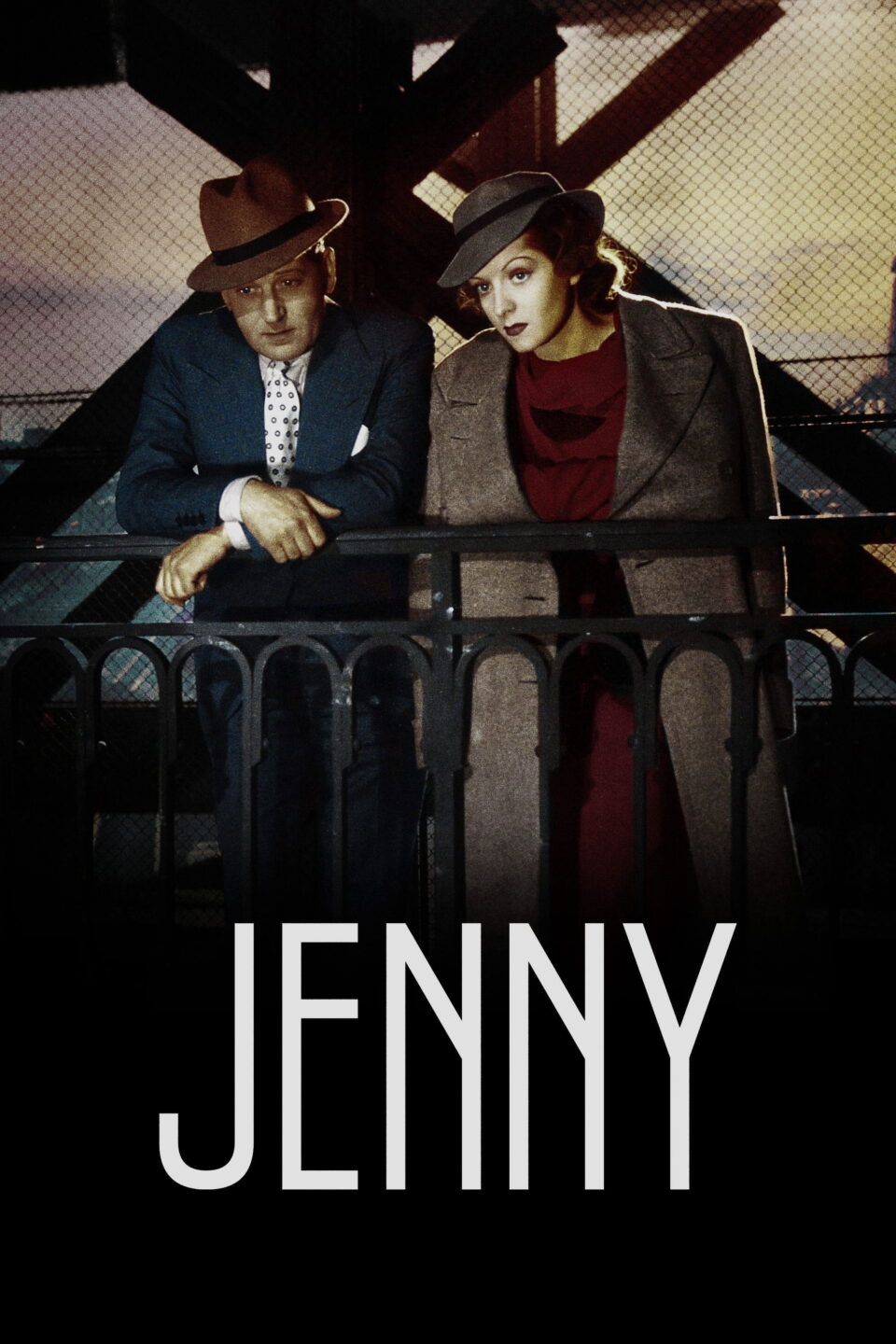
Jenny


Director Marcel Carné was a seminal figure in French poetic realism and his classics LE QUAI DES BRUMES (1938) and LE JOUR SE LÈVE (1939) would become pivotal for this film movement. Even in his first feature film JENNY, in which the title character runs a brothel and is confronted with her life choices, the master’s touch already shows a strong connection to poetic realism. The shadow play in the cinematography, focusing on the underworld of society where prostitution and crime flourish, pained relationships and anti-heroes who still arouse sympathy despite their dubious decisions.
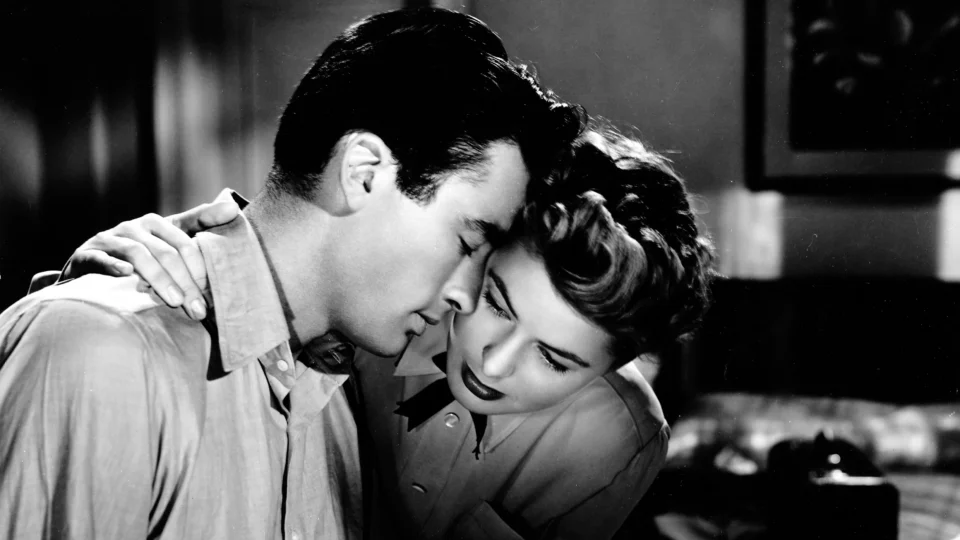
Jenny leads a double life. In the eyes of her daughter Danielle she is a respectable lady, but in reality the nightclub she runs is a front for a brothel, financed by gangster Benoît. When Danielle returns from London to Paris after a break-up, Jenny tries to keep her real profession a secret. To make matters worse, Jenny’s young lover Lucien falls in love with Danielle and they start dreaming of a future together. A future only hindered by Jenny…
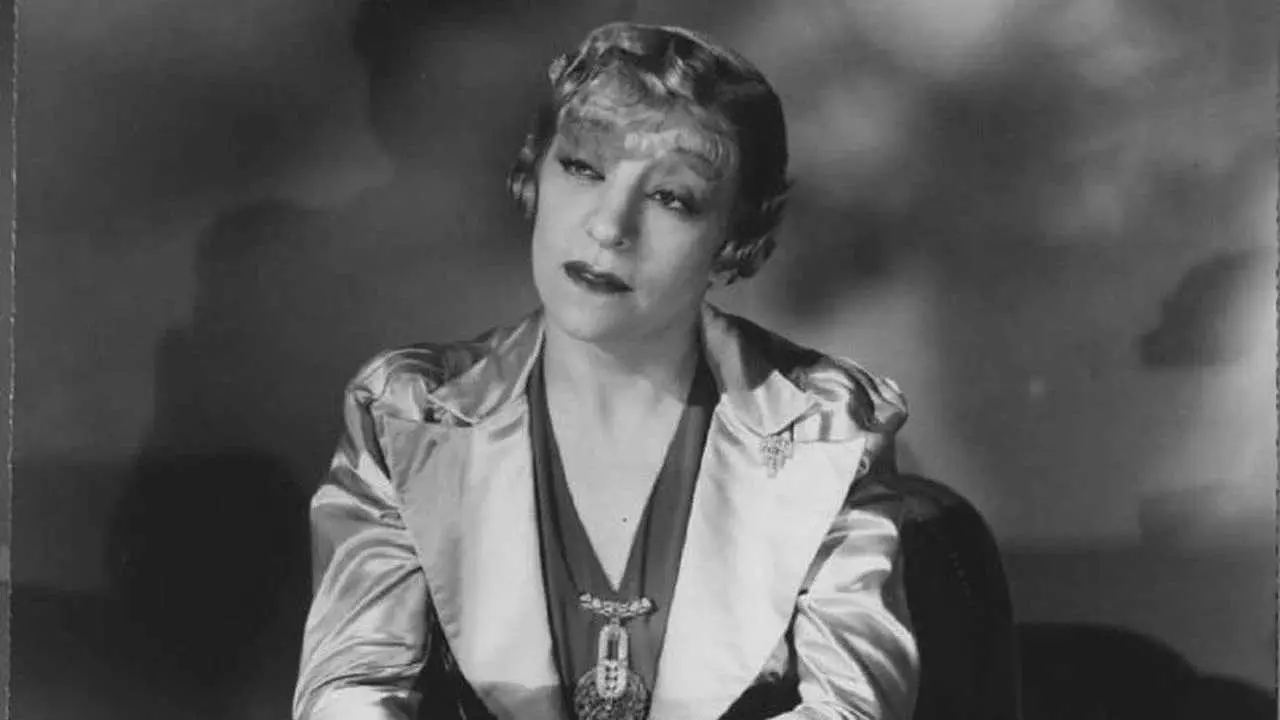
With JENNY, Marcel Carné and poet and screenwriter Jacques Prévert gave a voice to a character who would often not get their say or would be typecast as a spinster: a woman over forty. She is often written off as a supporting character advancing the plot or offering comic relief, but not as a true round character with free will, a complex inner life and motivated actions. Jenny leads her life without scruples, but wants something different for her daughter. She knows the ups and downs of life and is confronted with the issue: sacrificing her own happiness or sabotaging her daughter’s?