



Rose
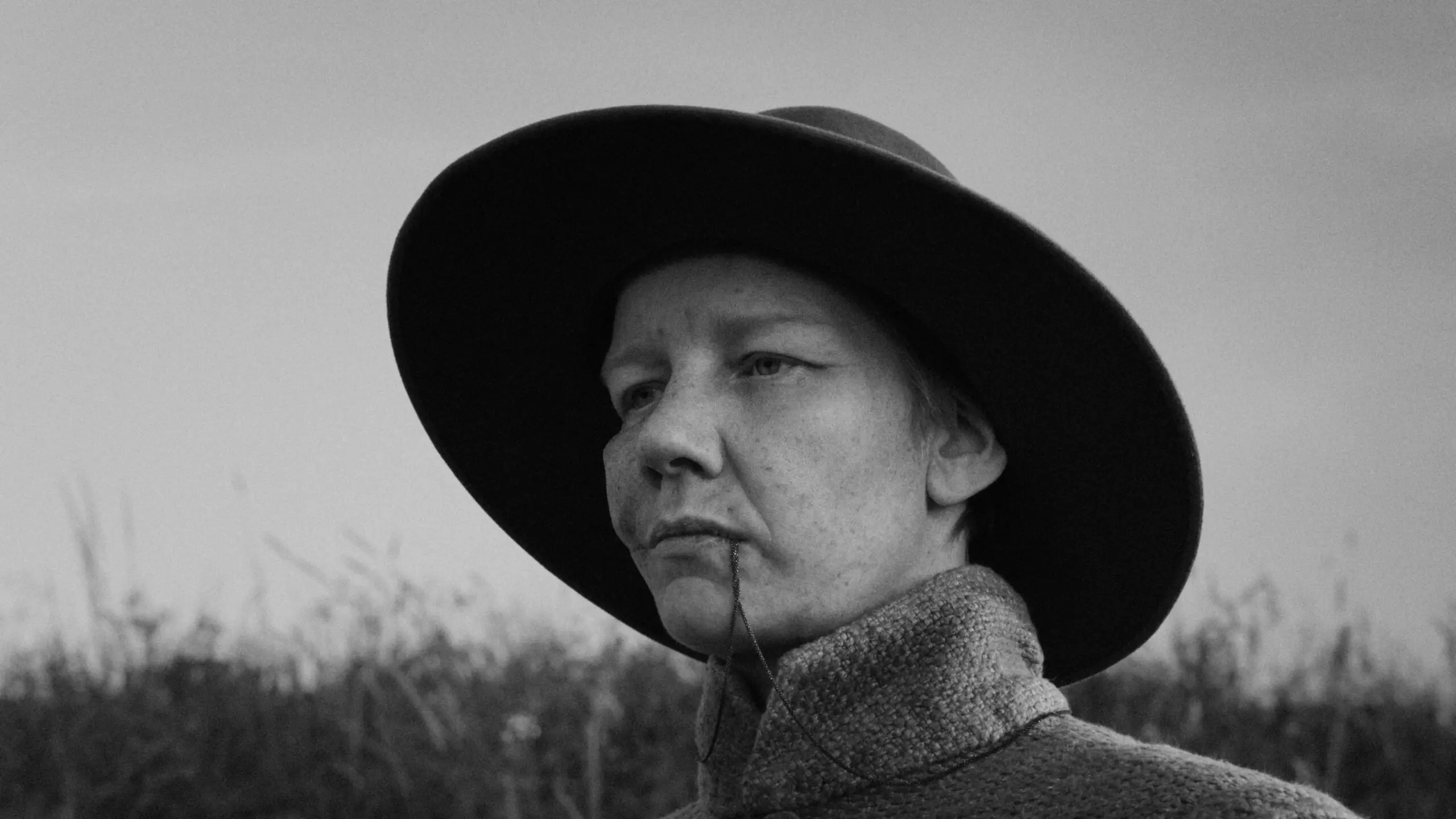
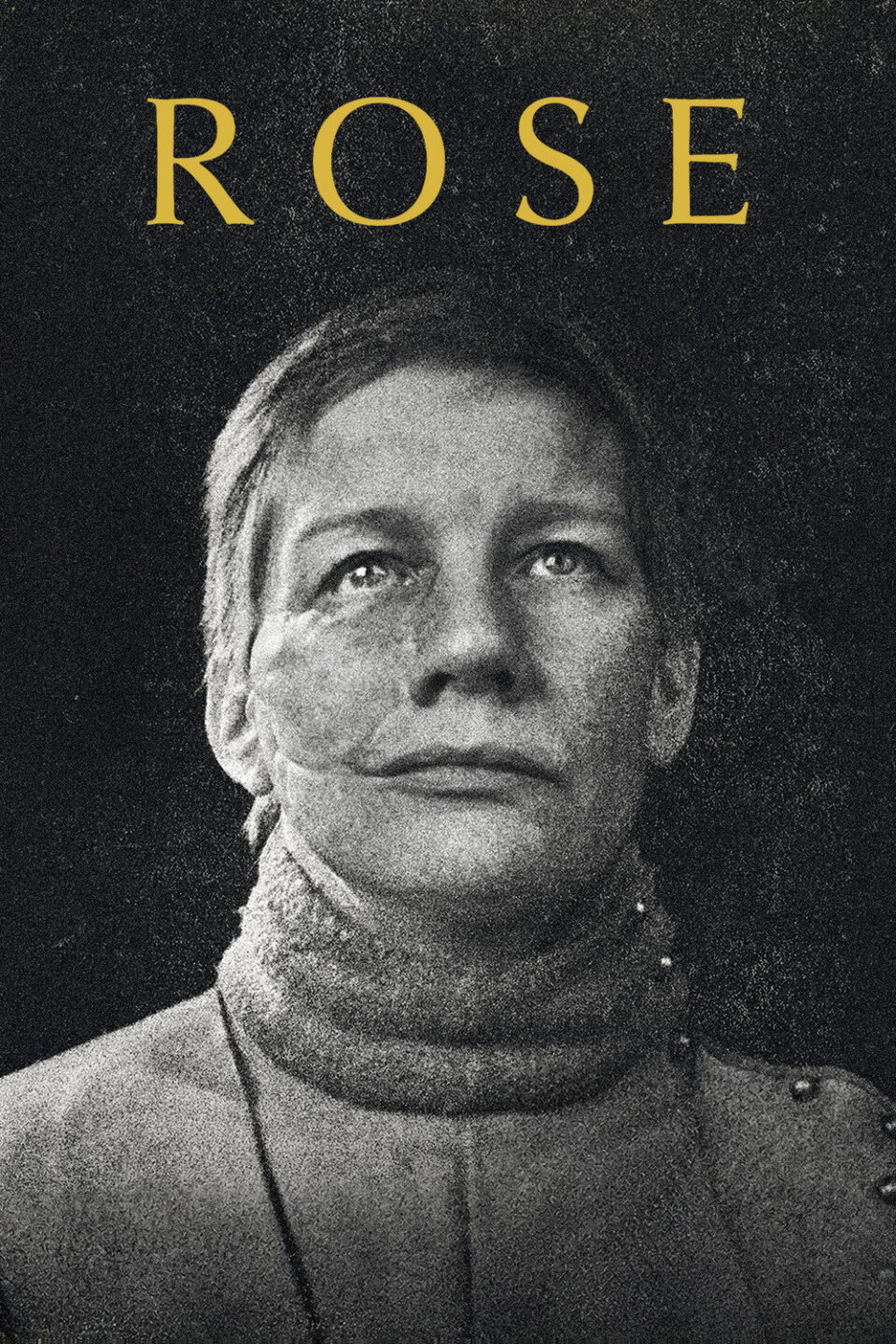
After the Thirty Years’ War, a scarred soldier arrives in a remote German village to claim an abandoned farmstead. Through hard work and a pious demeanor, he steadily wins the community’s trust, marries a farmer’s daughter, and builds a respectable life. What no one suspects is that his entire identity rests on a lie: behind the soldier’s uniform hides a woman living as a man—simply because trousers offer her the freedom she would never be granted as a woman.
It is no coincidence that this historical premise feels so compelling and powerful. Director Markus Schleinzer, a former casting director for masters like Michael Haneke, knows better than anyone how to assemble a stellar cast and found the perfect lead in Sandra Hüller. Yet Rose is far more than just a stage for fantastic acting. Schleinzer delivers a tightly disciplined masterpiece in which breathtaking black-and-white photography, razor-sharp editing, and a deeper political layer seamlessly combine.
This is precisely why the film feels so remarkably urgent and layered today. Rather than a dusty history lesson, it offers a sensory and poignant portrait of gender, power, and the universal drive for self-determination. Schleinzer succeeds in transforming Rose’s silent struggle for survival into gripping, immersive cinema.