




The Master
Film history tells the story of films that constantly build upon each other. If there’s one contemporary director who knows this, it’s Paul Thomas Anderson, PTA for professional purposes. In PTA & HIS MASTERS, we look at the unofficial cinematic ancestors of Paul Thomas Anderson. We place the director – one of the greatest American directors of his generation – alongside the influences he shamelessly cites in his work. In PTA & HIS MASTERS, we link THE MASTER to John Huston’s LET THERE BE LIGHT.
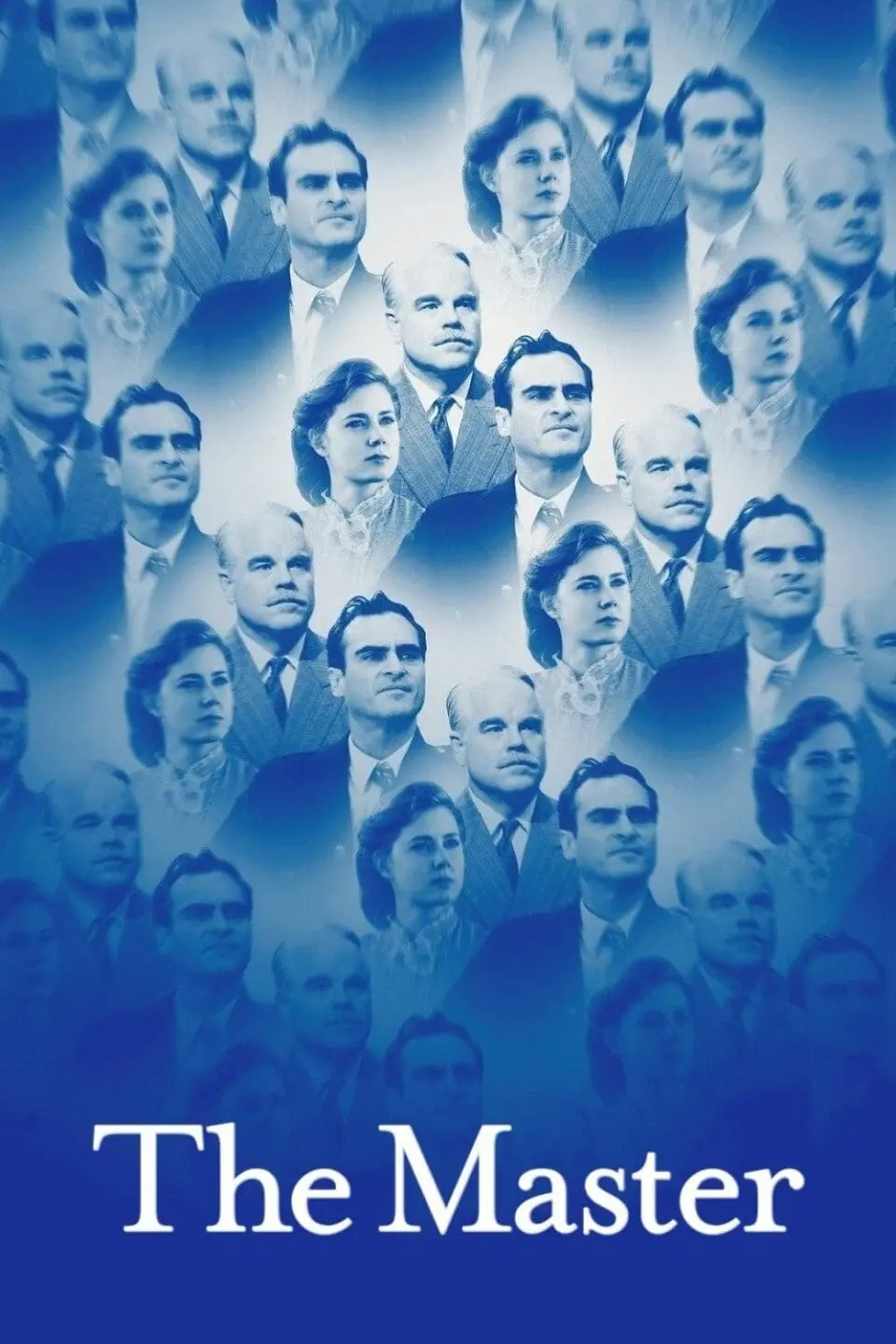
If you were to ask PTA to pick the favourite of his own movies, he would choose THE MASTER. His explanation: THE MASTER is his most emotional and personal film. “The amount of emotion I put into it and Phil Seymour Hoffman, Joaquin Phoenix and Amy Adams put into it. It feels unique to me. I really hope it will be something people can revisit and enjoy in a way that equals my pride in it.” PTA acknowledges the sentimentality he put into the movie. “There’s a particular sentimentality attached to it for a number of personal reasons. It’s all wrapped up.” This personal touch can be attributed to PTA’s relationship with his father, Ernie Anderson. He was a veteran who returned from the war scarred, but who saw any indication of concession to his traumas as a sign of weakness. Another reason why THE MASTER is so close to PTA’s heart: the movie became the last collaboration with best friend and frequent collaborator Philip Seymour Hoffman, who died of an overdose two years later.
THE MASTER follows veteran Freddie Quell (Joaquin Phoenix) after his discharge from the US Navy after WOII. Quell has difficulties to adjust to life outside of the army and suffers from PTSD. His experiences during the war made him into an aggressive, sex-obsessed alcoholic, who has no place in society. In Sacramento, he stows away on a sailing yacht and meets charismatic cult leader Lancaster Dodd (Philip Seymour Hoffman). Dodd sees Quell as the perfect challenge for his philosophical movement, The Cause. If he can convert and reintegrate this hopeless cause, the legitimacy of his own “cause” is proven. Quell seems to be an easy prey for Lancaster’s indoctrination and he travels with the Dodd family to spread the teachings of The Cause.
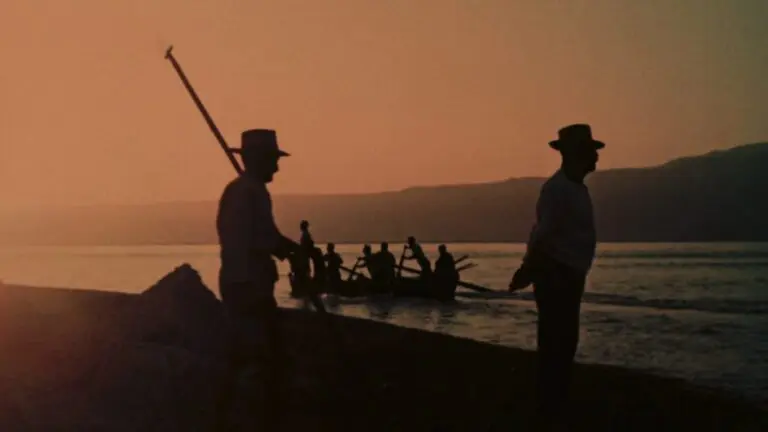
Just like with all of his films, THE MASTER was inspired by many different sources. The character of Lancaster Dodd was based on the infamous Scientology founder L. Ron Hubbard. For the character of Freddie Quell, PTA read the novel V. by Thomas Pynchon. But the movie we place next to THE MASTER, is John Huston’s LET THERE BE LIGHT. This documentary about WWII veterans with PTSD was the base of the strong psychologization in THE MASTER. At the time of LET THERE BE LIGHT in 1946 PTSS was not yet recognised as a condition and the release of the documentary was even halted by the government for decades. With his vision on the US of the fifties, PTA also showed the disillusion of the returning soldiers, who were an easy target for sham religions with pseudoscientific explanations that were sprouting in those days.
LET THERE BE LIGHT was the mirror PTA used to portray war veterans as accurately as possible. It was crucial to the filmmaker to approach the severe consequences of the war on American soldiers and their psyche with the utmost respect. He even included the documentary as a special feature on the Blu-ray of THE MASTER. PTA never concealed his influences.
Showtimes
All screenings have ended


