

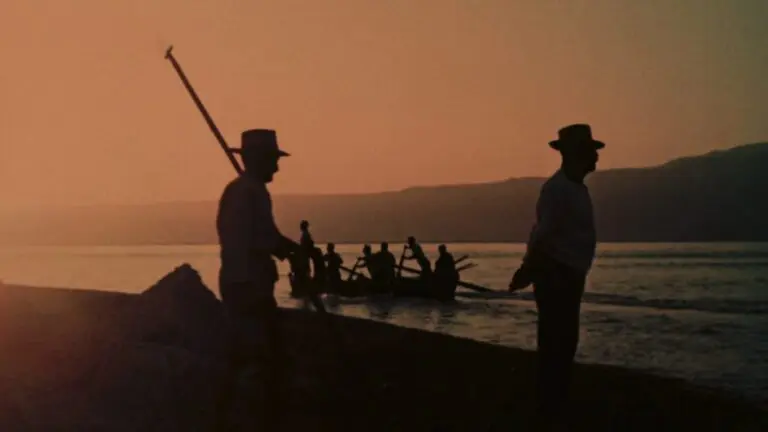


Zama
How do you depict total stagnation? Following her acclaimed portraits of women in crisis like LA CIÉNAGA, Argentine director Lucrecia Martel turns her lens toward a man slowly dissolving into time. In 18th-century Argentina, Spanish magistrate Don Diego de Zama languishes in a remote colonial outpost, waiting for a royal letter that will grant him a transfer to Buenos Aires. But the letter never arrives. What follows is not a linear narrative, but a feverish test of endurance.
In Martel’s hands, waiting becomes a physical sensation. Time doesn’t stand still; it becomes elastic. Years shrink into a single afternoon, while a moment of boredom feels eternal. The ambient sounds of the jungle swell, the heat becomes palpable, and colonial bureaucracy morphs into an absurd, hallucinatory dream. Zama loses more than just his patience; he loses his grip on reality itself, eventually throwing himself into a desperate and violent adventure.
ZAMA is cinema that isn’t merely watched, but experienced. As Lucrecia Martel puts it: “For me, the plot is not the most important part of a film; what matters to me is that a film is an experience, a journey.”
Showtimes
All screenings have ended