




King Solomon’s Mines
In the light of his second book, De schitterende toekomst van Hemelings en zoon (EPO, 2026), former De Cinema coordinator Erik Martens again puts the forgotten Ghent-born filmmaker, explorer and reporter Marcel Roos in the spotlight. For this special matinee screening, he chose KING SOLOMON’S MINES, an adventure classic from 1950 reflecting the world view in which Roos made his films and travelogues.
In the 1950s, Marcel Roos was a well-known name in Belgium and the Netherlands. He filmed his expeditions through South-Africa and incorporated his experiences in books and travelogues. Like many of his colleagues, he visited cinemas throughout the whole country with his films. As engaged entertainer, he introduced the screenings himself and directly conversed with his audience. Before the breakthrough of television, such ‘discover-the-world films’ were specially popular in Flanders.
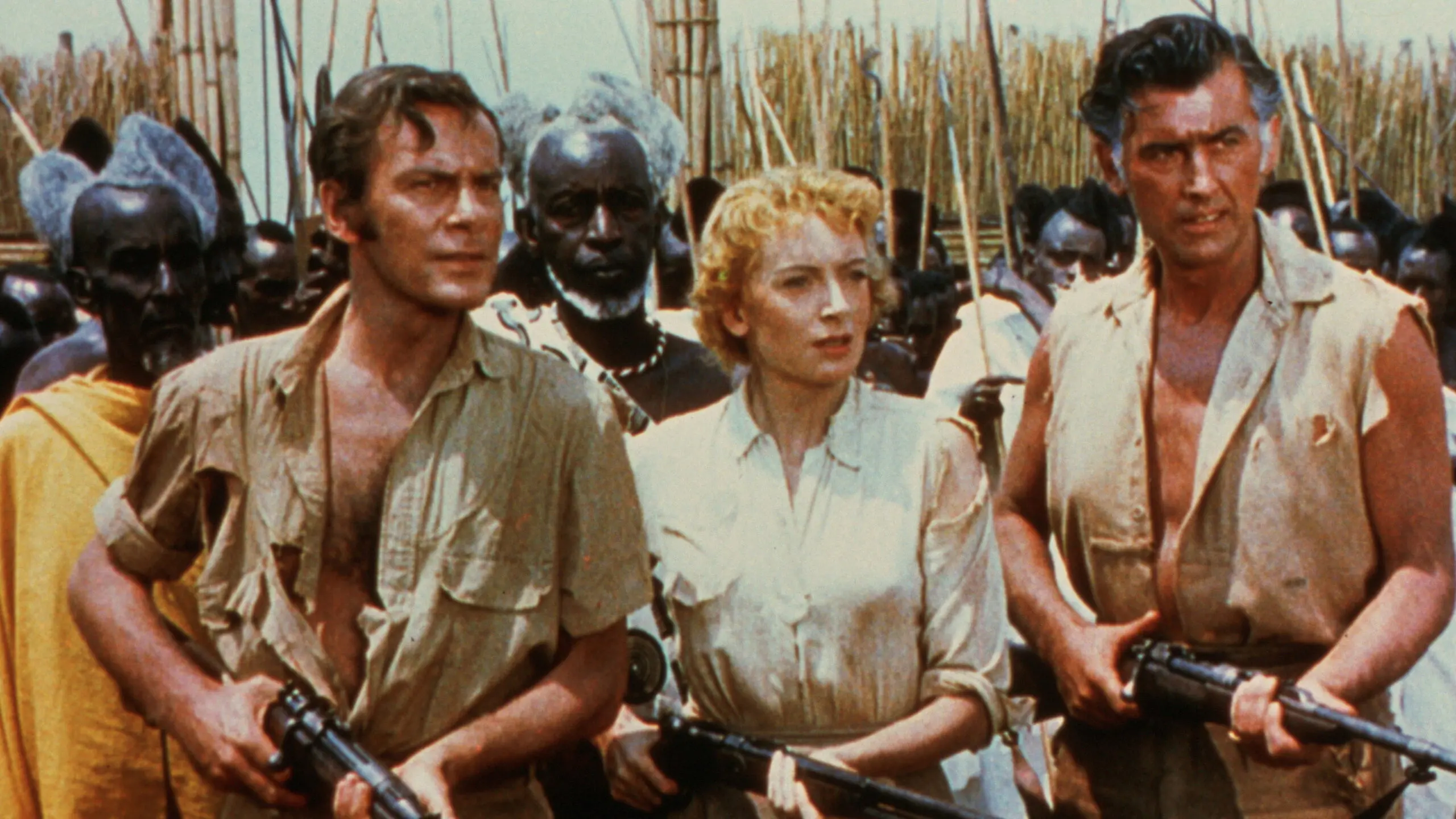
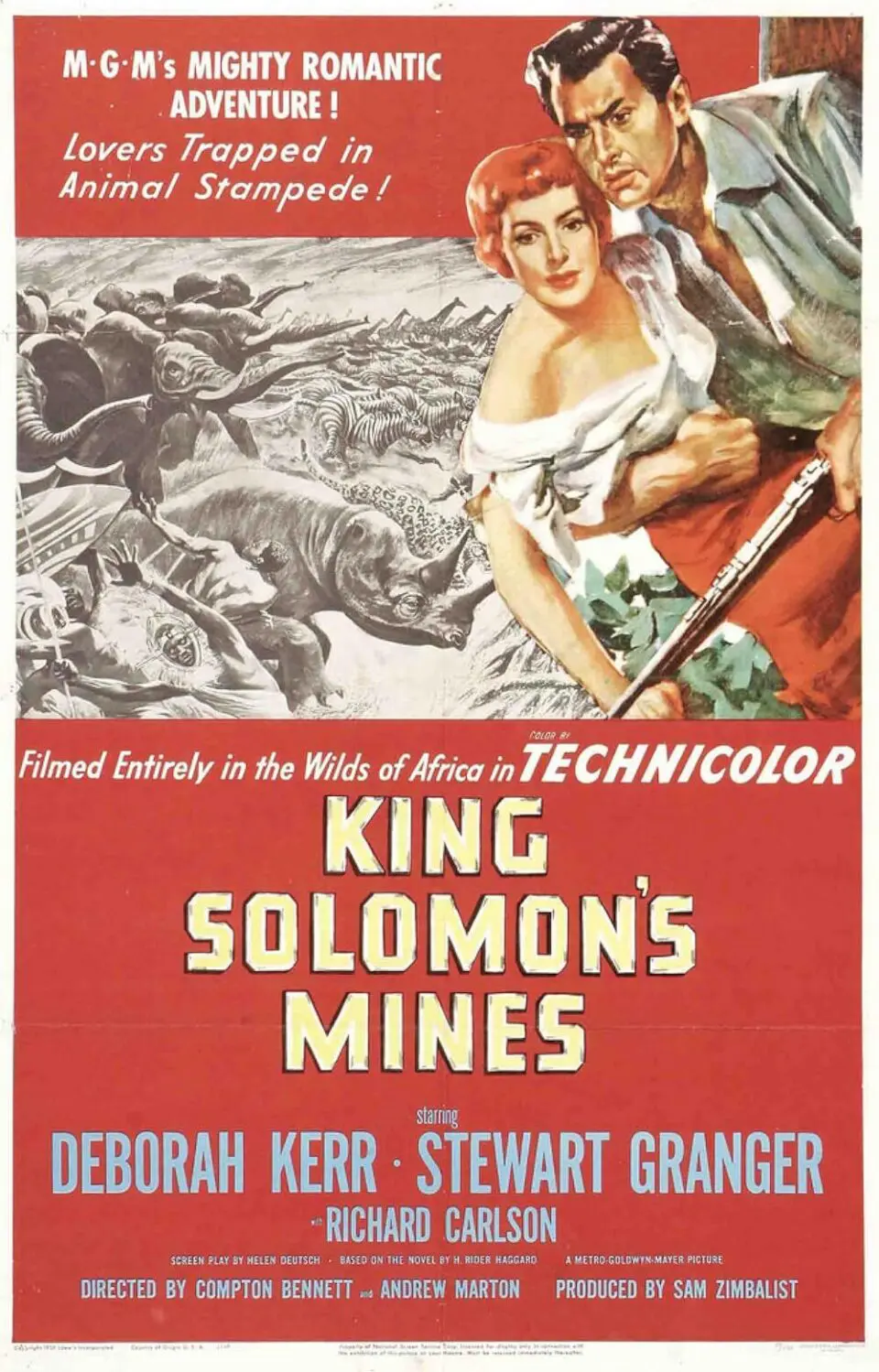
The masculine exploring phantasm behind the genre also is central in KING SOLOMON’S MINES. The MGM-film of Compton Bennett and Andrew Marton was filmed in Technicolor, with Deborah Kerr, Stewart Granger and Richard Carlson in the main roles. The film was one of the big audience successes of 1950 and was nominated for the Oscar for Best Film. It won the Oscars for the cinematography of Robert L. Surtees and editing of Ralph E. Winters and Conrad A. Nervig.
KING SOLOMON’S MINES is based on the eponymous novel by H. Rider Haggard, a pioneer of the lost world-genre that inspired generations of explorers. Among them was Percy Fawcett, who was on his turn an important example for Marcel Roos. The film shows how alive and kicking the colonial desire for unknown territories, hidden treasures, and heroic conquests was in the 1950s.
Elizabeth Curtis (Deborah Kerr) and her brother (Richard Carlson) hire adventurer Allan Quatermain (Stewart Granger) to locate her missing husband. He entered the African jungle in search of the mythical diamond mine of king Solomon but has not been heard of since. Quatermain leads a dangerous expedition through a world which the film presents as threatening, exotic and conquerable at the same time.
Exceptional for his time, KING SOLOMON’S MINES was not shot in the studios but mainly on location in Africa, with all unforeseen consequences. Precisely because of that, the film offers a fascinating look on the late-colonial world view in which also filmmaker-explorers like Marcel Roos worked.
Showtimes


Erik Martens will give a short introduction to the film. Following the screening, he will place Marcel Roos next to his predecessors and successors in a film lecture of thirty minutes. Based on fragments of Roos's filmography, recently digitalized and restored by CINEMATEK, Martens researches the appeal and blind spots of the popular exploration film.
Four historical characters, scarred by the war, choose for a radical break with the past and for a new future at the other side of the world. Stefan Zweig is writer and hunted by the Nazi regime. Marcel Roos is explorer-filmmaker in the making and hungers for big adventures. Pieter Hemelings, son of the Antwerp diamond dealer Jakob Hemelings, buys a diamond mine in the Amazon forest. If Europe was 'the world of yesterday', Brazil will be the land of the future for each of them.


