


Futurama
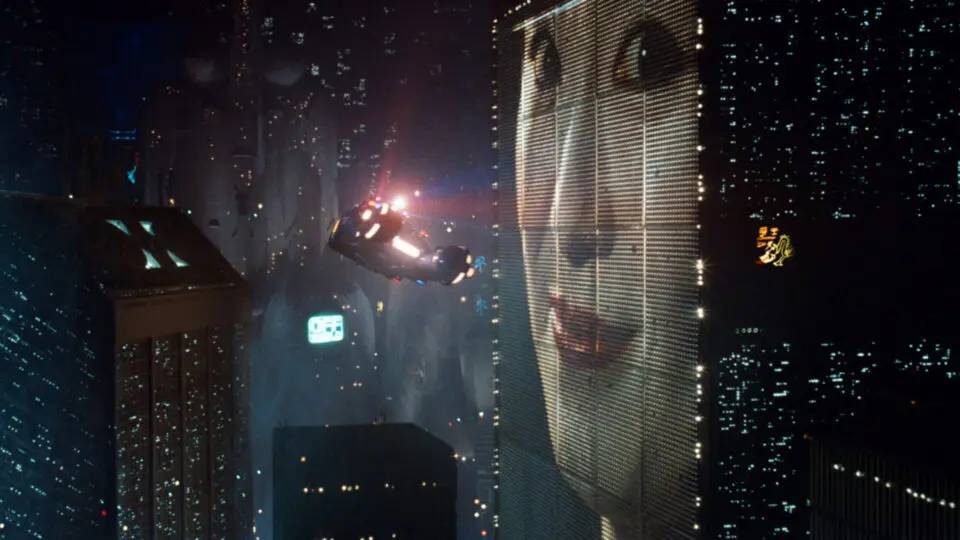
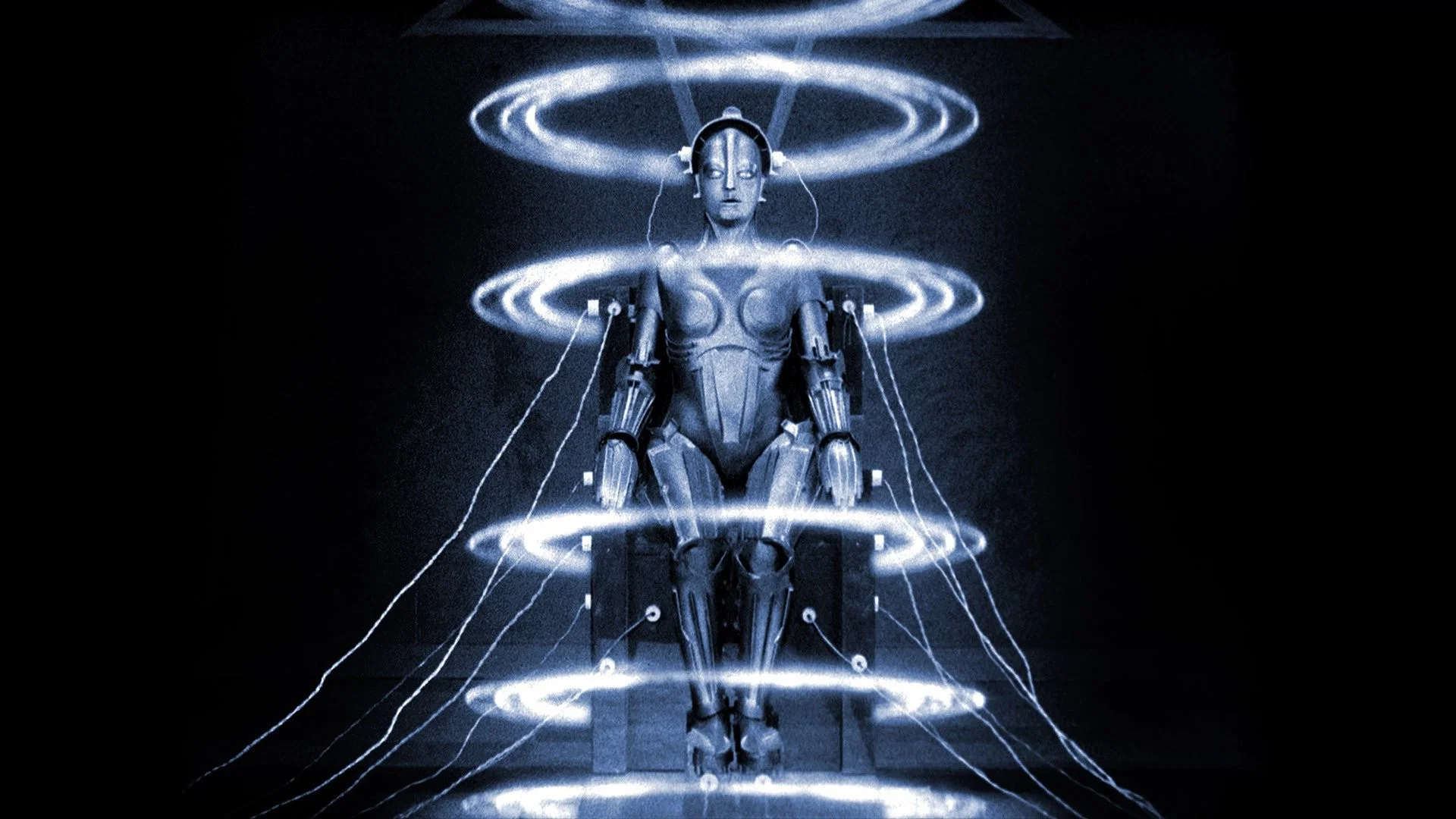
Fascination and fear for the future walk hand in hand. Understandably so in an age where AI blurs the line between reality and illusion more and more. What does the future have in store for us? Since the creation of cinema, this has been a key question in film as well. Will the dystopian doomsday stories be fulfilled, like masterpieces METROPOLIS and BLADE RUNNER foreshadow? Will machines take over from men or can we rely on humanity to persevere?
“The mediator between head and hands must be the heart!” proclaims prophet Maria in Fritz Lang’s expressionist masterpiece METROPOLIS. In a world where poor and rich, workers in a dark underworld and elite in a sunlit surface world, live completely separated from each other, catastrophe looms when news of both worlds breaks out. Ridley Scott’s BLADE RUNNER transports us to the futurist L.A., which has become a multicultural dystopia made up of advertising, pollution and flying cars. Again, the ruling class of billionaires chooses to send out others to do the dirty work. This time it’s not workers, but replicants, humanoid robots with a short lifespan. The replicants are used in dangerous, outer space colonisation. “Quite an experience to live in fear, isn’t it? That’s what it is to be a slave.” The replicants are used as slaves and are terminated after their jobs are done. In this case too, a rebellion is inevitable. “Quite an experience to live in fear, isn’t it? That’s what it is to be a slave.” The replicants are used as slaves and are terminated after their jobs are done. In this case too, a rebellion is inevitable.
Revolt galore in the Afrofuturist dystopia NEPTUNE FROST by multidisciplinary artist Saul Williams and artist and cinematographer Anisia Uzeyman. In the hilltops of Burundi, a group of escaped coltan miners forms an anti-colonialist computer hacker collective. From their camp in an otherworldly e-waste dump, they attempt a takeover of the authoritarian regime exploiting the region’s natural resources – and its people.
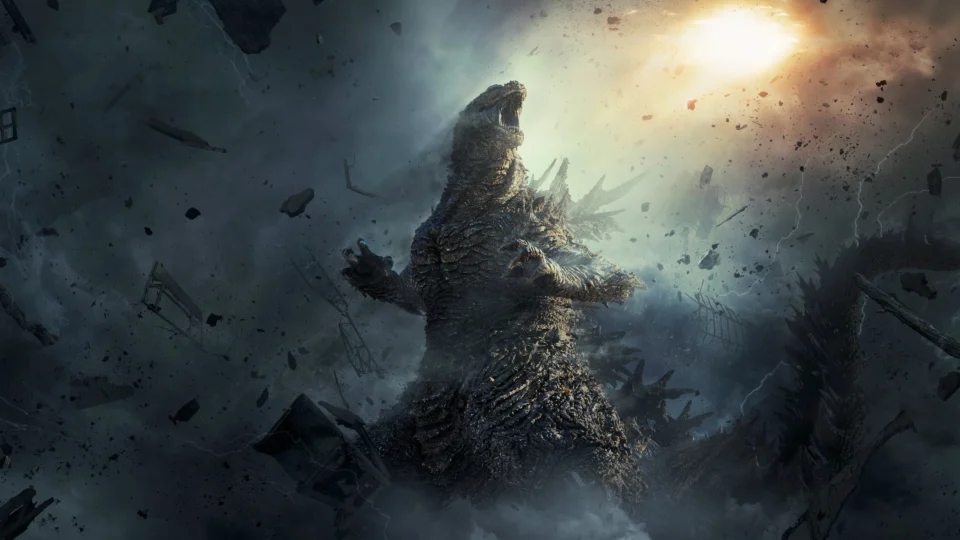
In GODZILLA MINUS ZERO, the spectacular sequel to box-office hit GODZILLA MINUS ONE, visionary director Takashi Yamazaki switches up a notch. As the military watches helplessly, three-headed dragon King Ghidorah appears on the mainland, crushing everything in sight. Godzilla also rises from the ocean—larger, angrier, and more dangerous than ever. The only thing that could save mankind is a desperate plan: pitting the two monsters against each other in a fight to the death.
In a very near future, a group of scientists have invented a machine that can control our dreams. But the machine is stolen. To solve the mystery and save humanity, Dr. Atsuko Chiba has to enter the dreamworld as het alter ego detective Paprika to stop the dream terrorist. With PAPRIKA, director Satoshi Kon created a visionary story that moves along the boundary of reality and imagination.
Michel Gondry’s ETERNAL SUNSHINE OF THE SPOTLESS MIND, based on a screenplay by Charlie Kaufman, takes us to a future where memories can be erased from memory. When the shy Joel (Jim Carrey) discovers that his ex Clementine (Kate Winslet) has erased him from her memory, he impulsively decides to do the same.
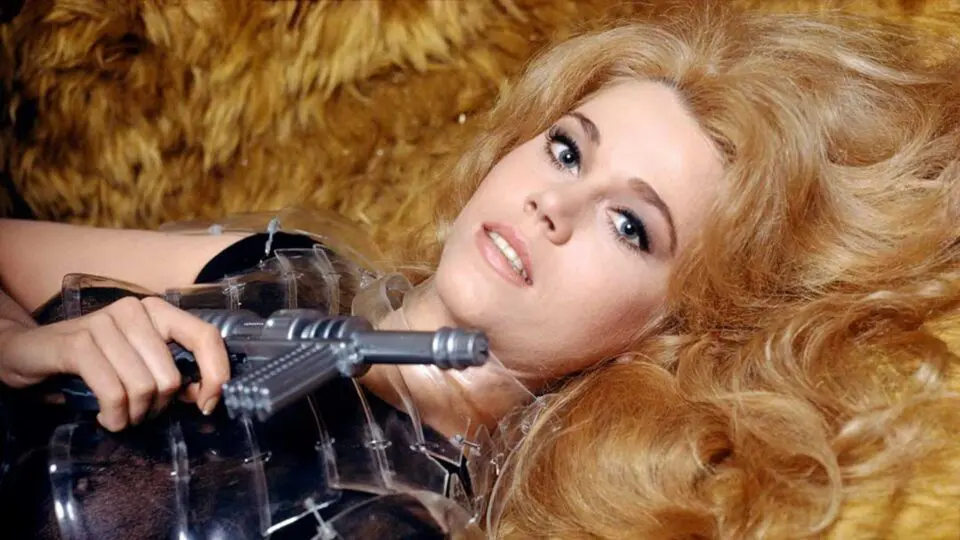
In cinephile circles BARBARELLA is sometimes described as wacky, eccentric and cult. Not unjustly so. The science fiction sex fantasy starts in the year 4000, when life on earth looks quite different. Everything that stands in the way of maximal efficiency has been replaced by a more civilised and more efficient system. Astronaut Barbarella (Jane Fonda) is tasked by the President with finding a fugitive inventor, who has invented a powerful weapon that could cause mass destruction. During her intergalactic search, Barbarella comes into contact with all sorts of things that are unheard of on earth.
Futurism finds its way into family films as well, where childlike innocence erases the barriers between people and ‘the other’.
“E.T. phone home” is one of those sentences in cinema that has been engraved in the collective memory. For many among us it was the first encounter with Steven Spielberg’s filmic patrimony. E.T. is a magical creature that embodied the feeling of homesickness, the importance of friendship and the hope to find our way back home. E.T. THE EXTRA-TERRESTRIAL became a classic of the sci fi genre and one of the highest-grossing movies of the 70s and 80s. We’re happy to share this childhood nostalgia with next generations.
In THE IRON GIANT (6+) by famous animation director Brad Bird (RATATOUILLE, THE INCREDIBLES) the friendship between a gigantic robot and the young boy Hogarth is the beating heart of the film. The two become fast friends. But there’s danger all around: the American army and a crazy FBI-agent want to destroy the robot! Hogarth does everything in his power to protect his big iron friend against the outside world.
In THE WILD ROBOT (6+) the intelligent service robot “ROZZUM-unit7134”, Roz for short, washes ashore an uninhabited island. The animals on the island are afraid of Roz, but slowly they build a bond. Until the outside world threatens to break their fragile ecosystem…
Multitalented Kid Koala debuted last year with the beautiful SPACE CADET (6+), a touching adventure about memories and chosen family. Robot has only one goal in life: raising the brilliant Celeste. When Celeste leaves for a space journey, Robot is left behind.
The animation of HET KLEINE SPOOKJE LABAN SPOOKT WEER ROND (4+) and of CURIOUS GEORGE (3+) bring beautiful creatures to our world. Laban, the sweetest little ghost in the world is afraid of the dark, which severely hinders his ghostly activities. The curious monkey George is a stowaway from the African jungle to American, where he joins museum guide Ted and causes all kinds of good-natured chaos.
During the fall break, De Cinema screens a futuristic selection from film history for all ages. FUTURAMA will also move outside the halls of De Cinema to the Blikfabriek (Hoboken) with its family programme.