







La Dérive

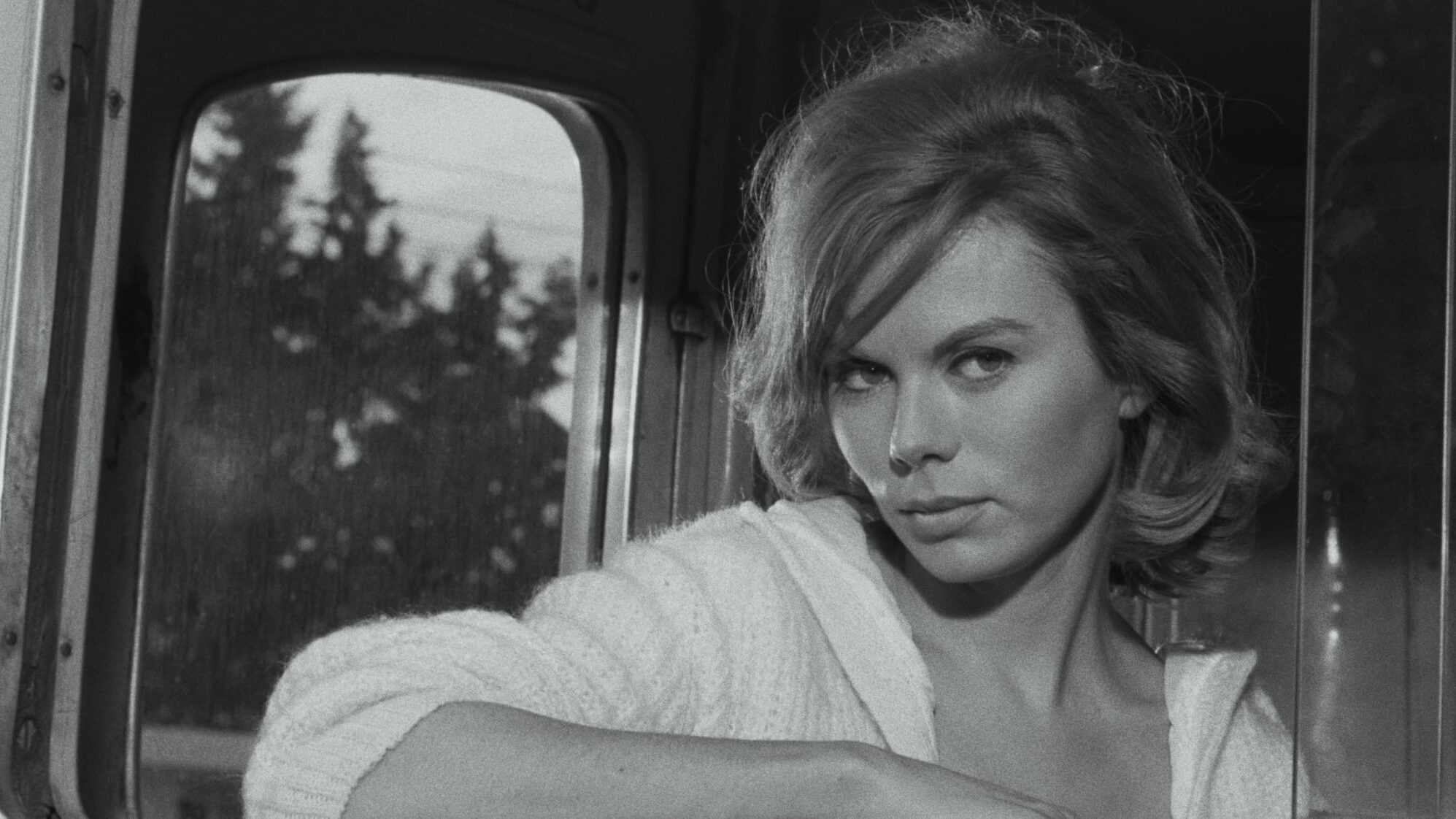
A woman wanting to fulfill her desires without making concessions, that’s almost as rare as a woman writing, producing and directing her own nouvelle vague film. And yet that is exactly what character Jacqueline pursues in the film and what Paula Delsol did with LA DÉRIVE.
Which isn’t rare, is the fact that films made by women are often quickly and deliberately forgotten, usually viewed as some sort of threat – like Jean-Luc Godard saying that with Agnès Varda there was already a woman part of the nouvelle vague with no space for a second one. Luckily Delsol proved him wrong with her work. With the restoration of LA DÉRIVE by Cinémathèque française Delsol’s forgotten gem was rediscovered and placed in its rightful spot among the Godards and Truffauts of the film world. A short review of the film after its rediscovery says plenty: “Would’ve traded 15 Godard films if Delsol could’ve directed more.”
Paula Delsol was very honest about her goals for her debut film: “I wanted to make a portrait of a young girl who wanted to escape from her environment (…) I wanted to show that women were looking to be the equal of men in terms of their sexual freedom, and that in playing that game they would always be beaten.” It might sound pessimistic, but Delsol’s declaration is as true in 2026 as it was in 1963. When it comes to sexuality women and their desires are still often shamed by society.
The powerful dialogue and the realistic imagery of LA DÉRIVE, its innovative directing style and its frank approach of female sexuality, are just a few reason why this film is essential viewing. Films from the sixties are not known for their feminist themes and Paula Delsol was way ahead of her time with her film. However, even though the character of Jacqueline is sexually liberated she is still emotionally dependent on the men in her life. Through this protagonist, Delsol gives a voice to the women of her day who question their place in a relationship, in a family and in society. Delsol is part of an era where only a handful of women directed in France. She took on nearly every role in the creation process: screenwriter, casting director, producer, manager, accountant and filmmaker, all while raising her two children. Delsol was resolute: she refused to be labelled as a “female filmmaker”, but wished to be known simply as a filmmaker. And that is a label she deserves.
Showtimes


The screening will be preceded by a lecture on the French Nouvelle Vague at 19:00 by Wouter Hessels.


