




La misteriosa mirada del flamenco
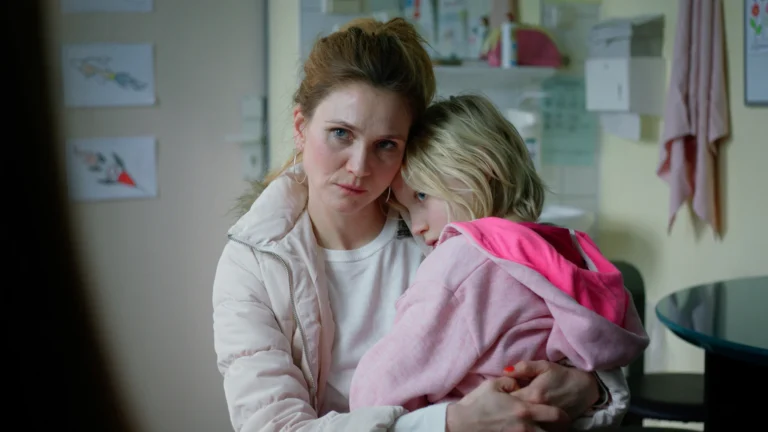
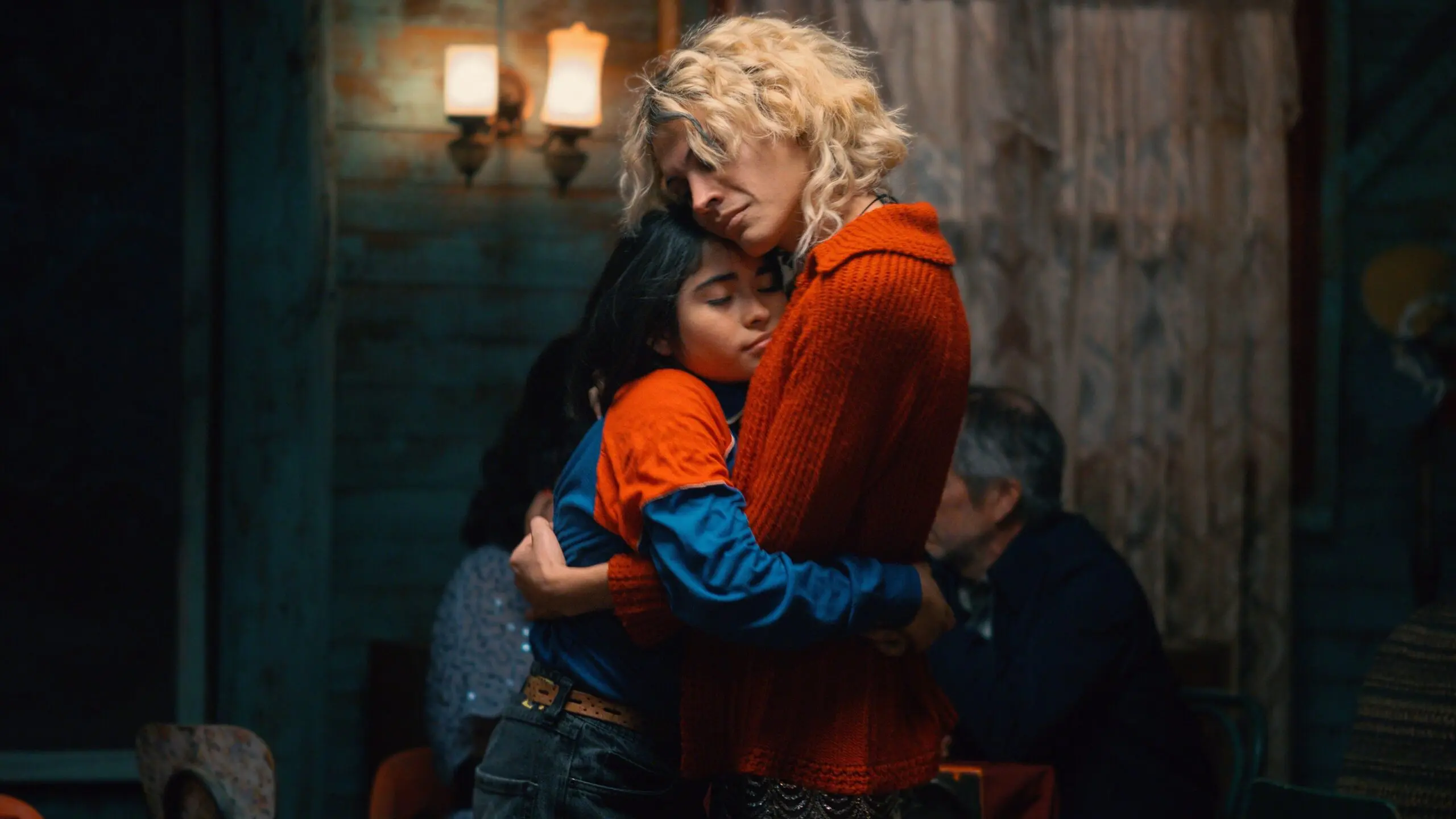
In a remote Chilean mining town in 1982, eleven-year-old Lidia grows up on the margins of society, surrounded by a close-knit and loving queer community. Under the wings of the formidable Mama Boa and her chosen mother, the caring Flamingo, she finds a sense of home. Beyond that fragile haven, fear, ignorance, and violence increasingly encroach on their existence.
Isolated in the barren desert, the miners seek their only escape in Mama Boa’s cabaret. There, she and her flamboyant performers — referred to in the language of the time as “transvestites,” using female pronouns among themselves — offer dance, lip-sync, and spectacle to an audience of lonely men. Yet desire easily curdles into hostility: what is longed for at night is denied and punished by day.
When a mysterious “illness” begins to spread — rumored to be transmitted through an intense, longing gaze — paranoia takes hold. The women are stigmatized as carriers, and what starts as superstition quickly escalates into control, humiliation, and violence. Tensions rise to a point of no return.
In his award-winning feature debut — recipient of the Un Certain Regard Prize at Cannes — Diego Céspedes crafts a sensorial and singular modern western, balancing poetry and absurdity. Set against a backdrop of dust, heat, and looming threat, the film unfolds as a story where desire and rejection, love and violence, are inextricably entwined. What begins with the contours of a revenge western gradually shifts into a layered plea for empathy and understanding.
The film is carried by a blend of professional and non-professional actors, with a striking presence of trans women and drag performers. Their performances are raw, immediate, and disarmingly powerful, grounding the film in a rare sense of authenticity. They embody a community that is at once vulnerable and resilient, playful and defiant.
Through Lidia’s eyes, a world emerges in which looking is never innocent. What does it mean to truly be seen — and do we dare to look at one another without judgment?
“I’d like (the film) to be a reminder of how important it is to look at faces that don’t look like our own — especially in these dark times we’re starting to live through.” – Diego Céspedes
Showtimes
All screenings have ended