

Looking for Connection
On public spaces, utopias and communities, in dialogue with F. Wiseman
Where do we still come together as citizens, as people, as a society? Amid growing privatisation, social media addiction and uncertainty in the cultural sector, LOOKING FOR CONNECTION explores the places where we meet outside home and work. How do we create and sustain these places? How do communities come together, and how do they disappear? What makes a space public? Who gets to decide who has access and what happens there and what do we lose when the doors close?
The ongoing debate around artist spaces like Ercoland, museums like M HKA and other public cultural spaces shows how vulnerable they are. On 1 October 2026, the Flemish Minister for Culture announced a further €47 million in cuts to culture for 2027. They affect museums, local heritage organisations, cultural partnerships, archives, heritage libraries and cultural policy across municipalities, among others. These are places and networks that keep stories alive, share knowledge, bring people together and hold our collective memory. What place will they have in changing cities more and more driven by consumption and financial return?
A tribute to Wiseman
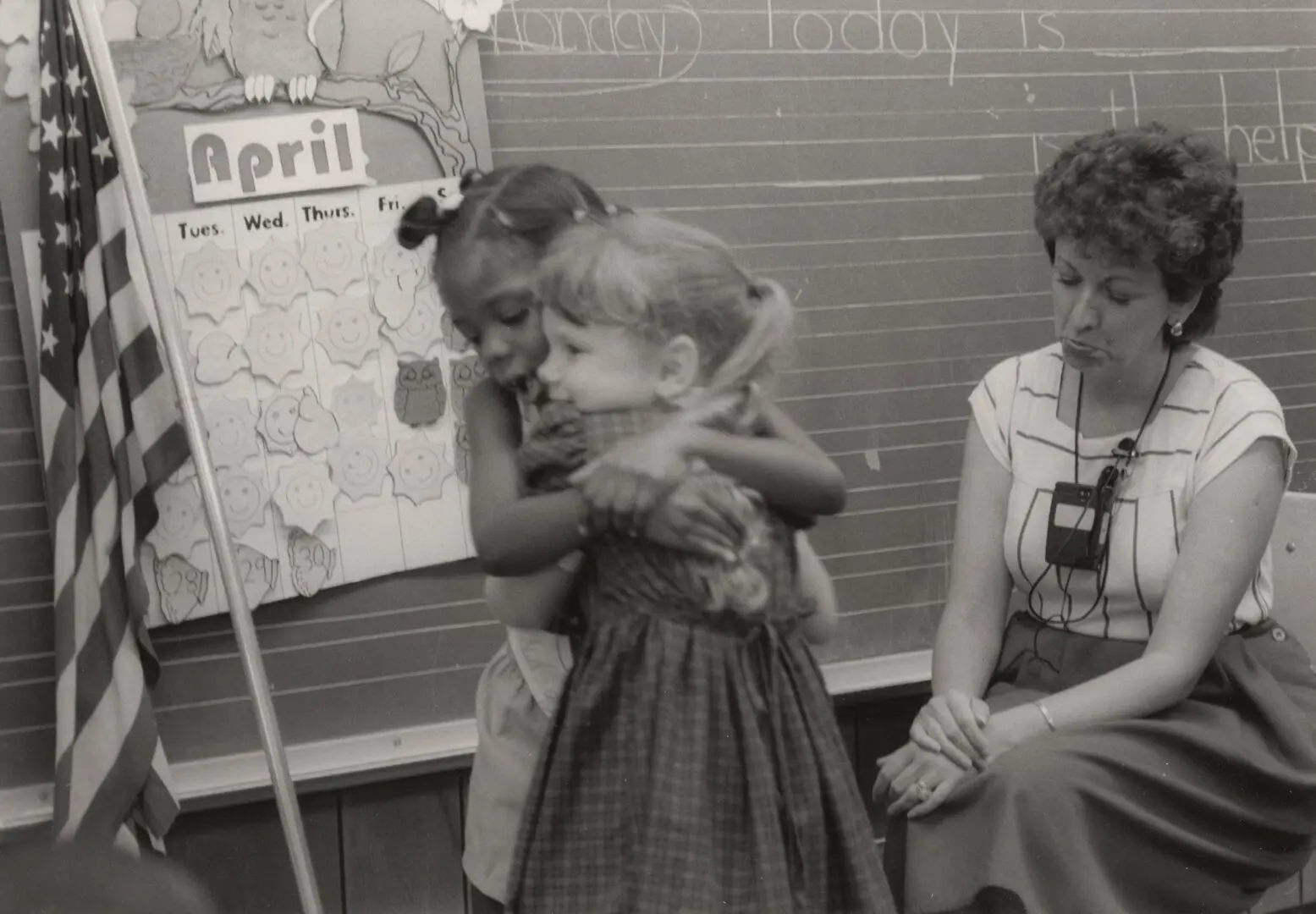
The work of Frederick Wiseman (1930–2026) is at the heart of the programme. His films take us into schools, universities, public housing blocks, museums, libraries, parks and neighbourhoods, places where we can see how a society organises itself day to day. He pays attention to the small acts that make up life together. A meeting, a lesson, a conflict. Someone speaking, someone listening. A door that opens for one person and stays closed for another.
Wiseman gives us space to look and make up our own minds, without a voice-over telling us what to think. Meaning emerges in the editing, between a conversation and a gesture, between a policy decision and its consequences. His films ask for time and attention. They ask us to make connections, sit with contradictions and rethink our first impressions.
Films in dialogue
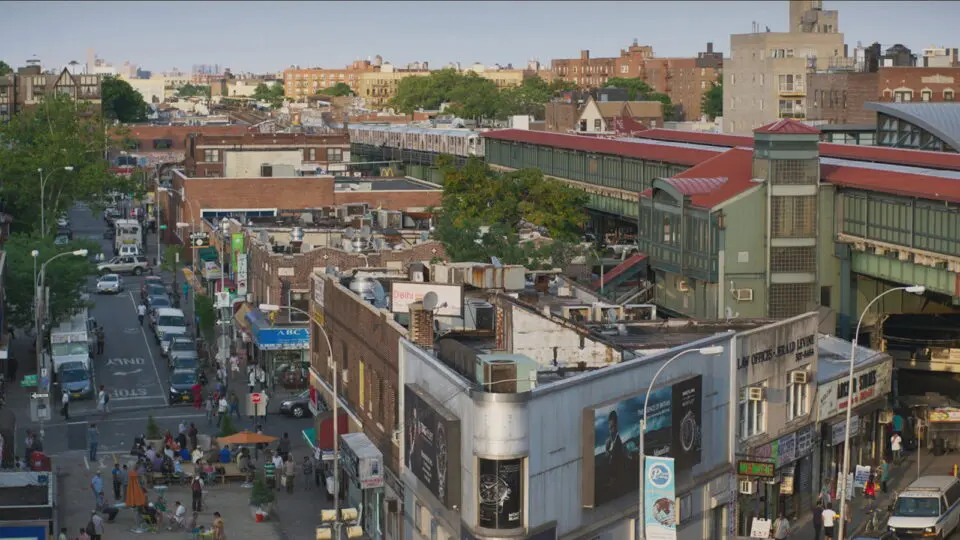
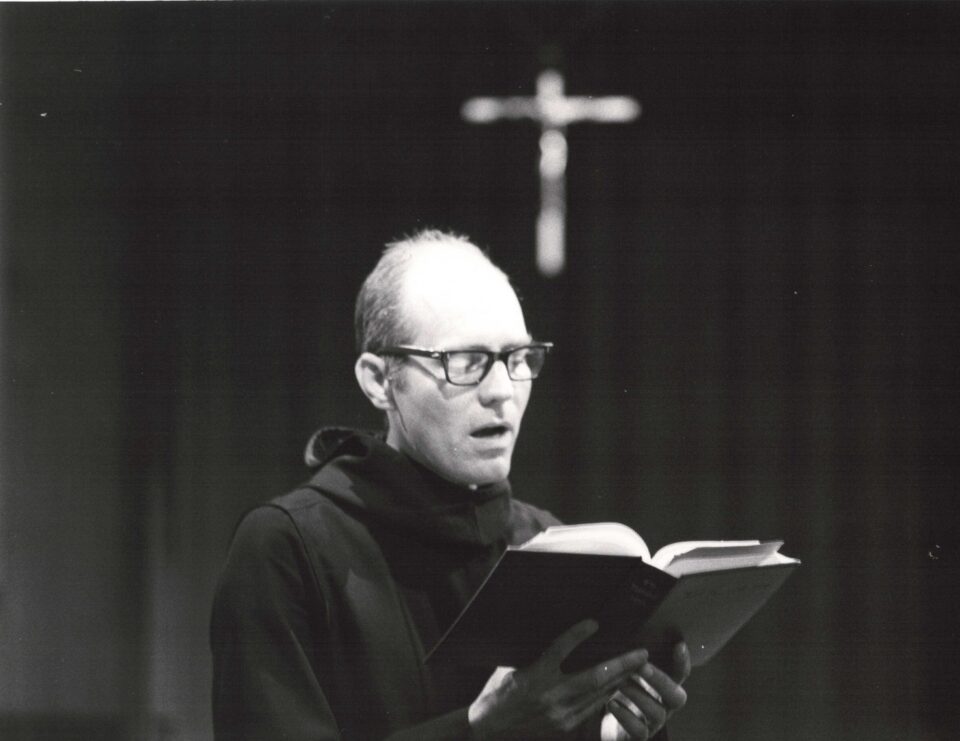
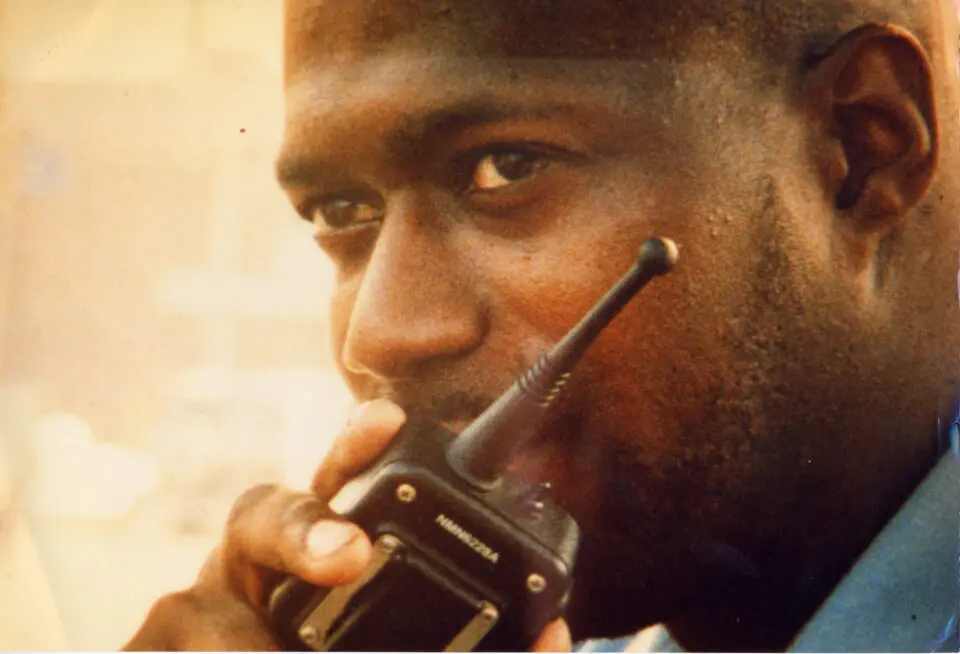
Each month, we pair a Wiseman film with another film and see where they connect and where they rub up against each other. DEAF and Kiarostami’s HOMEWORK explore how much room we have to express ourselves. The microcosm of HIGH SCHOOL II meets the divided city of Lang’s METROPOLIS. The many communities of IN JACKSON HEIGHTS come into conversation with the Afrofuturist resistance of NEPTUNE FROST. The monastic life of ESSENE and the far future of Jóhannsson’s LAST AND FIRST MEN raise the same questions. What holds a community together? What place does the individual have within it? How does a shared belief outlive us?
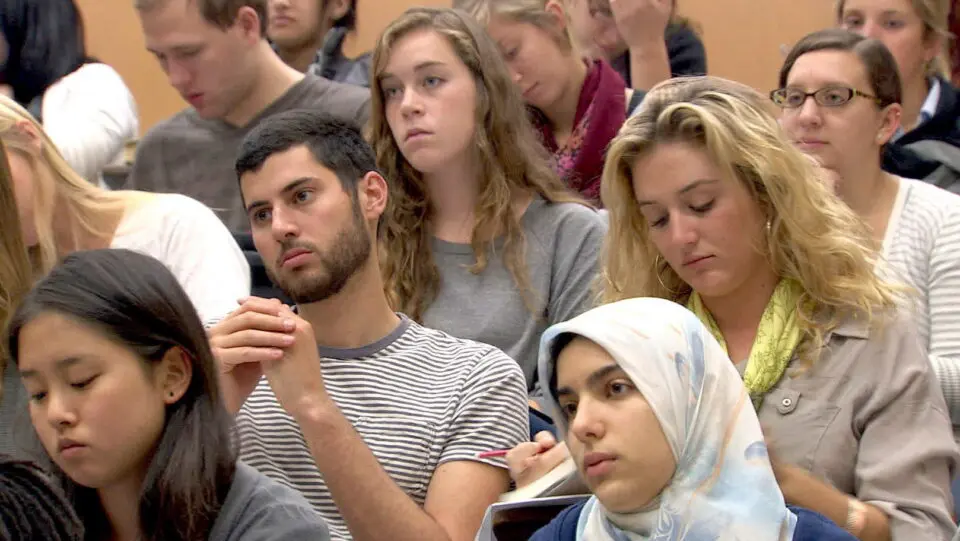
PUBLIC HOUSING and Chytilová’s chaotic PANELSTORY explore the gap between building homes and making it possible to live together. In AT BERKELEY At Berkeley, students protest against cuts, while in Harlez’s LE CHANTIER DES GOSSES, kids from Brussels fight to save the place where they play. Who gets to decide what happens to the places we share?
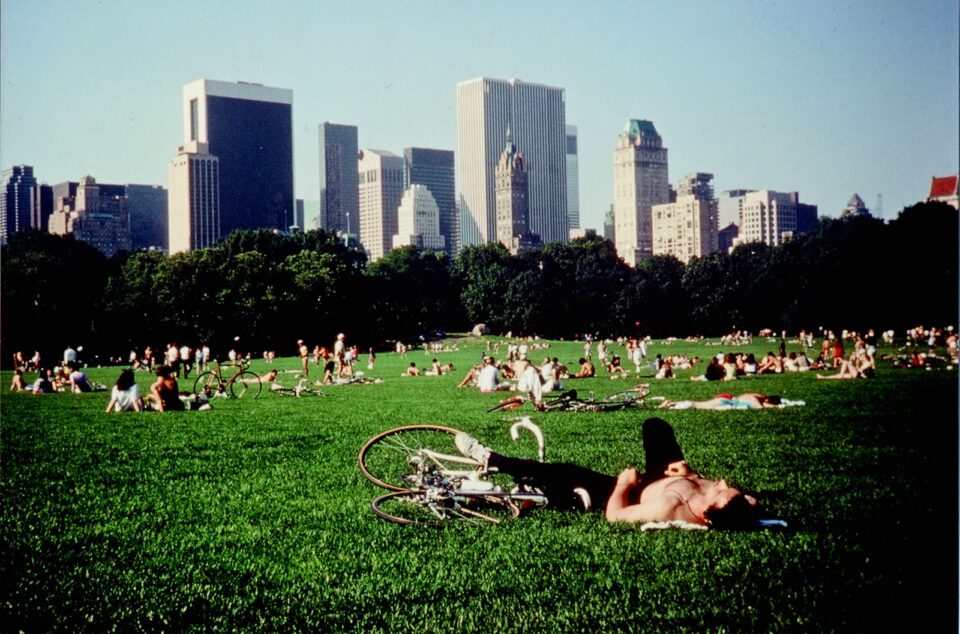
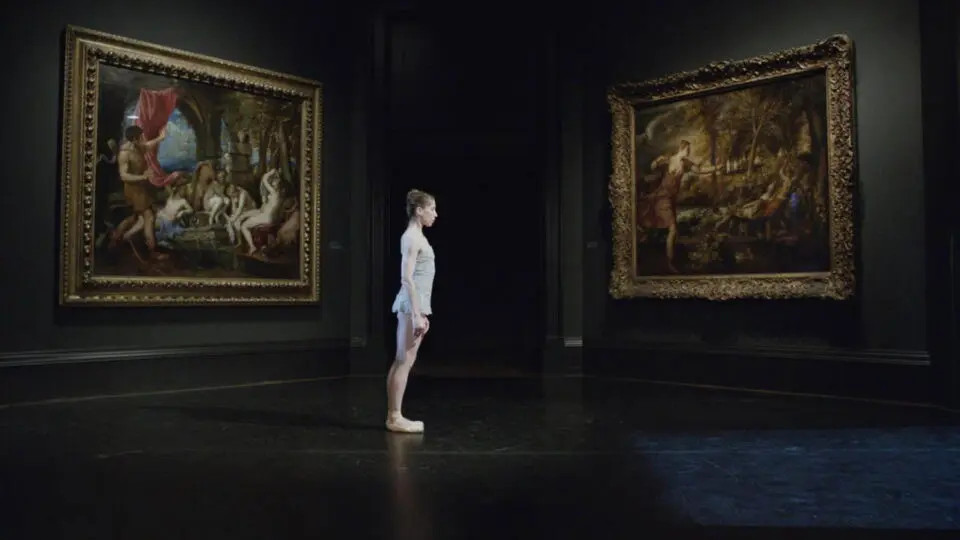
In CENTRAL PARK and Akerman’s D’EST, people share space. They linger, wait, move and cross paths. In BOXING GYM and Scola’s LE BAL, bodies speak through rhythm, repetition and movement. The institutional gaze of NATIONAL GALLERY meets the chance encounters of Cohen’s MUSEUM HOURS.
These encounters between films invite us to think about third spaces, the informal places where we spend time together outside home and work. Utopia starts to take shape when we imagine how these places could work differently. What would it look like to open them up to more people, share decisions and find new ways to care for each other?
Watching, remembering and imagining together
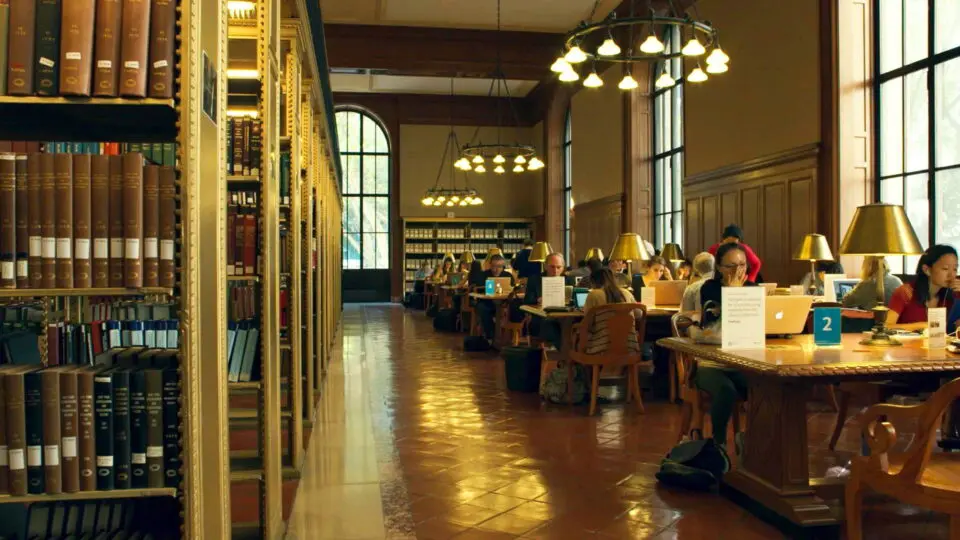
In June, we close with three films about places that carry stories. EX LIBRIS: THE NEW YORK PUBLIC LIBRARY, THE LAST PICTURE SHOW and ONCE UPON A TIME IN HARLEM take us to a library, a small-town cinema and a gathering at Duke Ellington’s home. Each brings us back to the link between community and memory.
In 1972, William Greaves brought together artists, writers and musicians from the Harlem Renaissance for ONCE UPON A TIME IN HARLEM. His son David finished the film more than fifty years later. Their work brings that gathering to a new audience and lets us see a community tell its own story.
Maybe LOOKING FOR CONNECTION begins with what (De) Cinema makes possible. We sit down next to people we don’t know. We look at the same images though might see something different. We share our time. And that’s when the real conversation can begin.